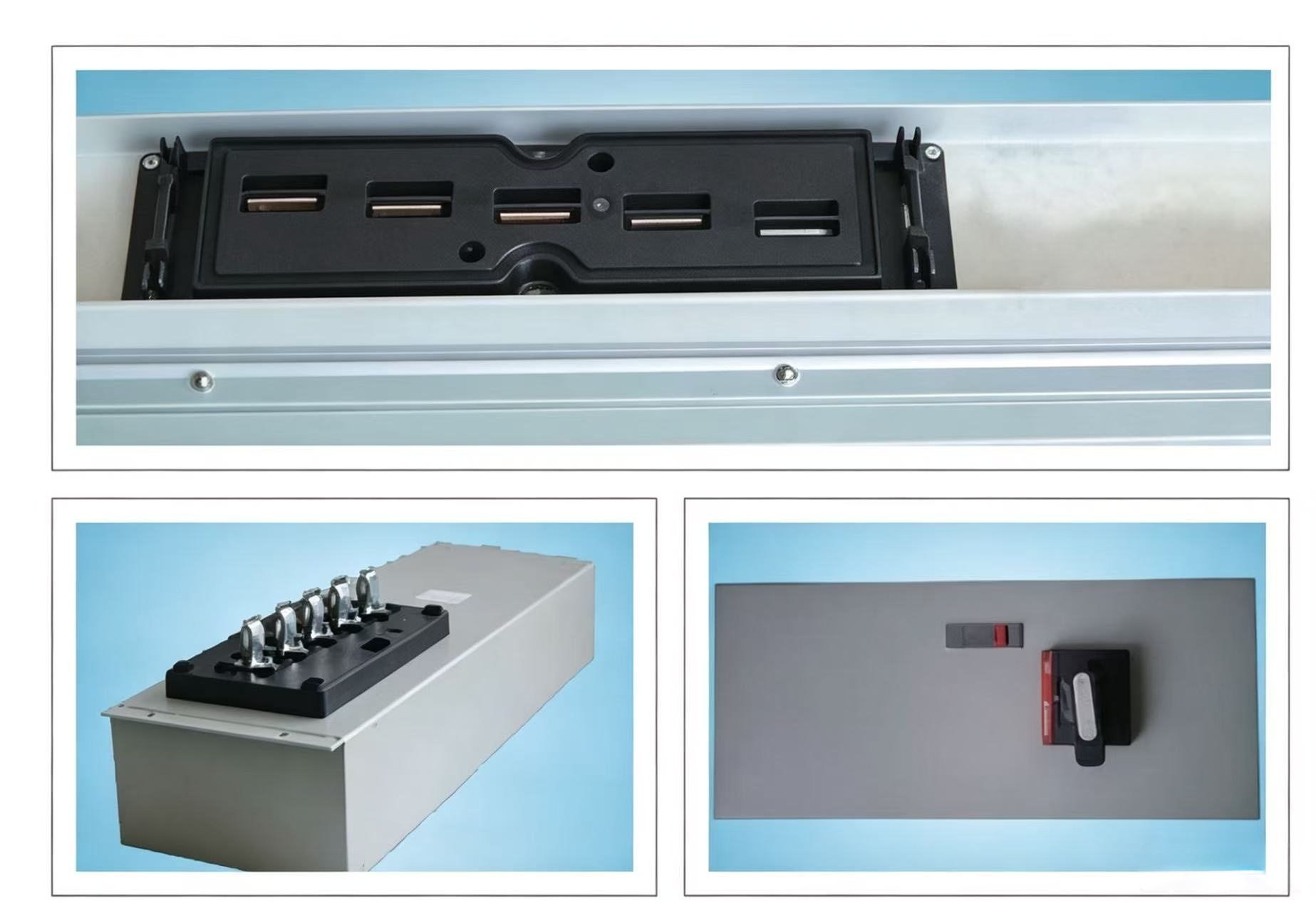
Fire-Resistant Busway (Fire-Rated)
Busbar Trunking System - Technical Specification
Selection of Busbar Materials
1. Housing: Aluminum-Magnesium Alloy Profile
Our housing is made of full aluminum-magnesium alloy, eliminating eddy current and hysteresis loss. It features light weight, high strength, corrosion resistance, and excellent electrostatic shielding.
No eddy/hysteresis loss
Light weight
High strength
Good appearance
Corrosion-resistant
High shielding efficiency
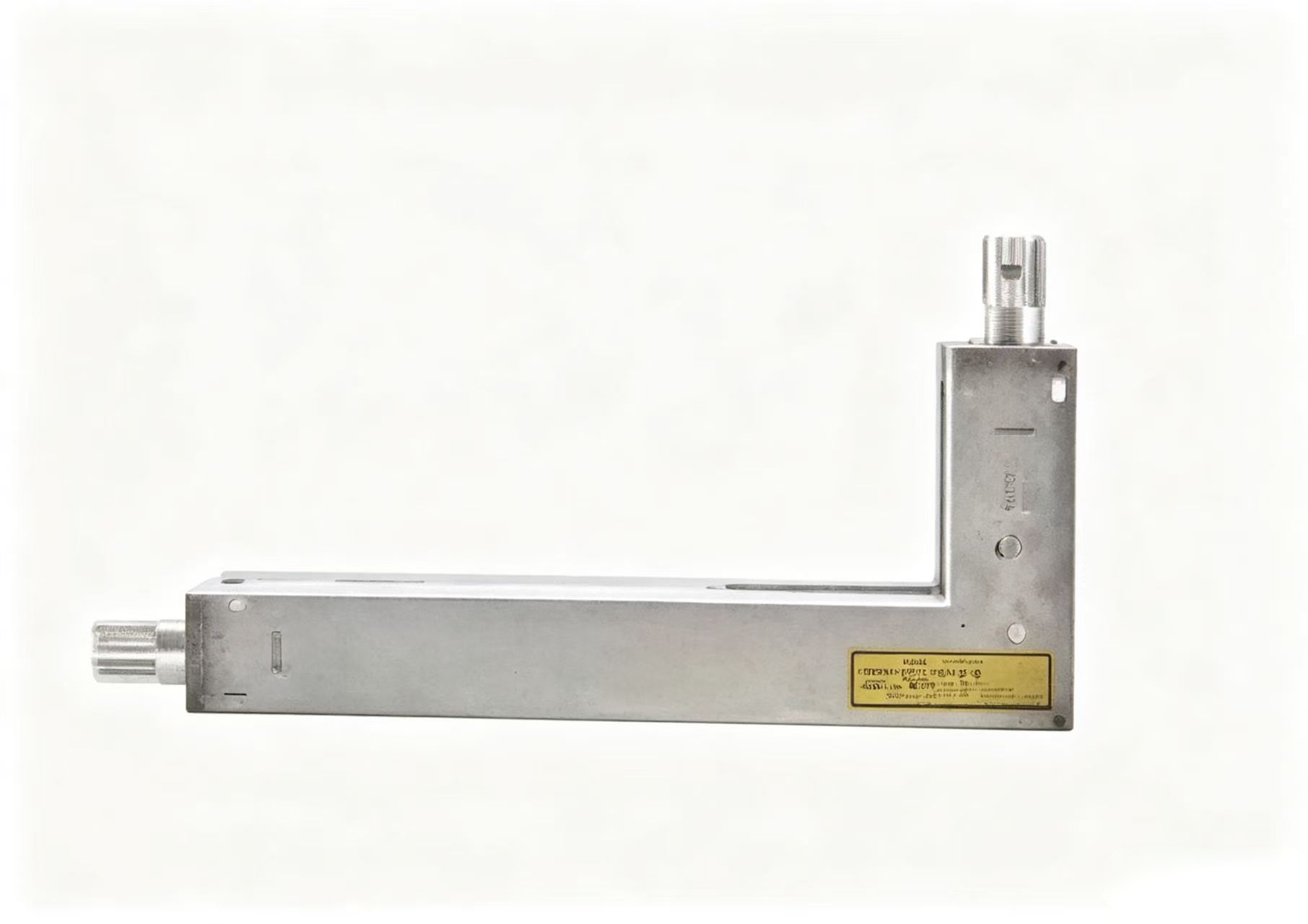
2. Premium T2 Grade Copper Busbars
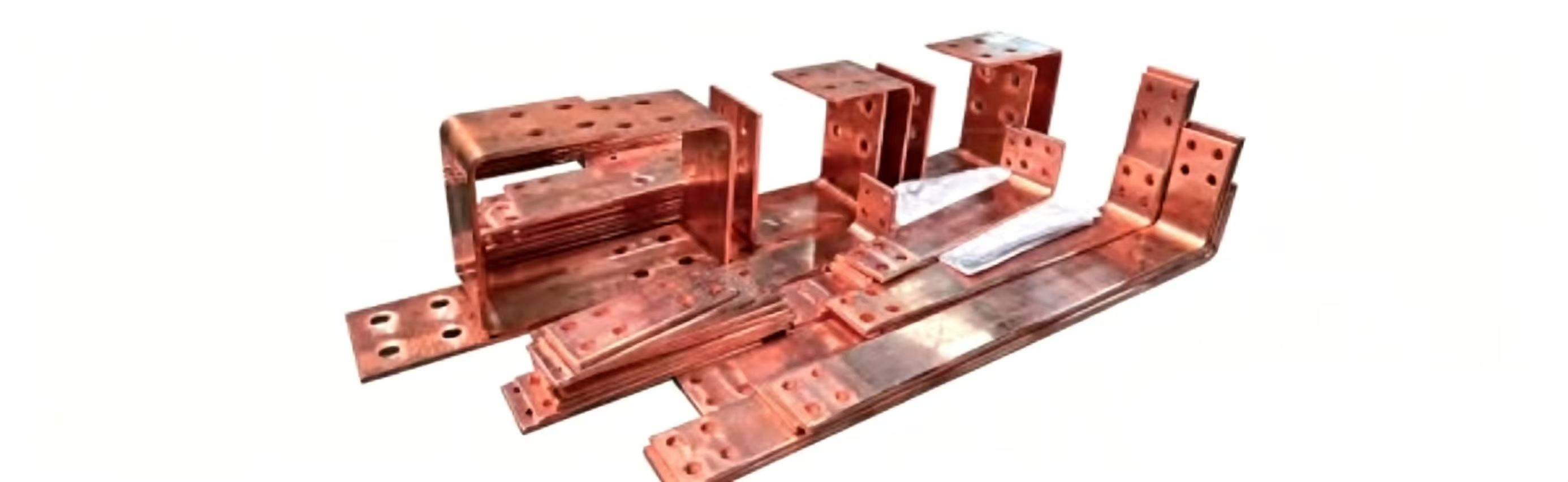
Thin & wide copper bars with full-length tin/silver plating, leveraging skin effect and heat dissipation. Complies with industry standards while reducing customer costs. Avoid negative-tolerance copper and low-quality materials.
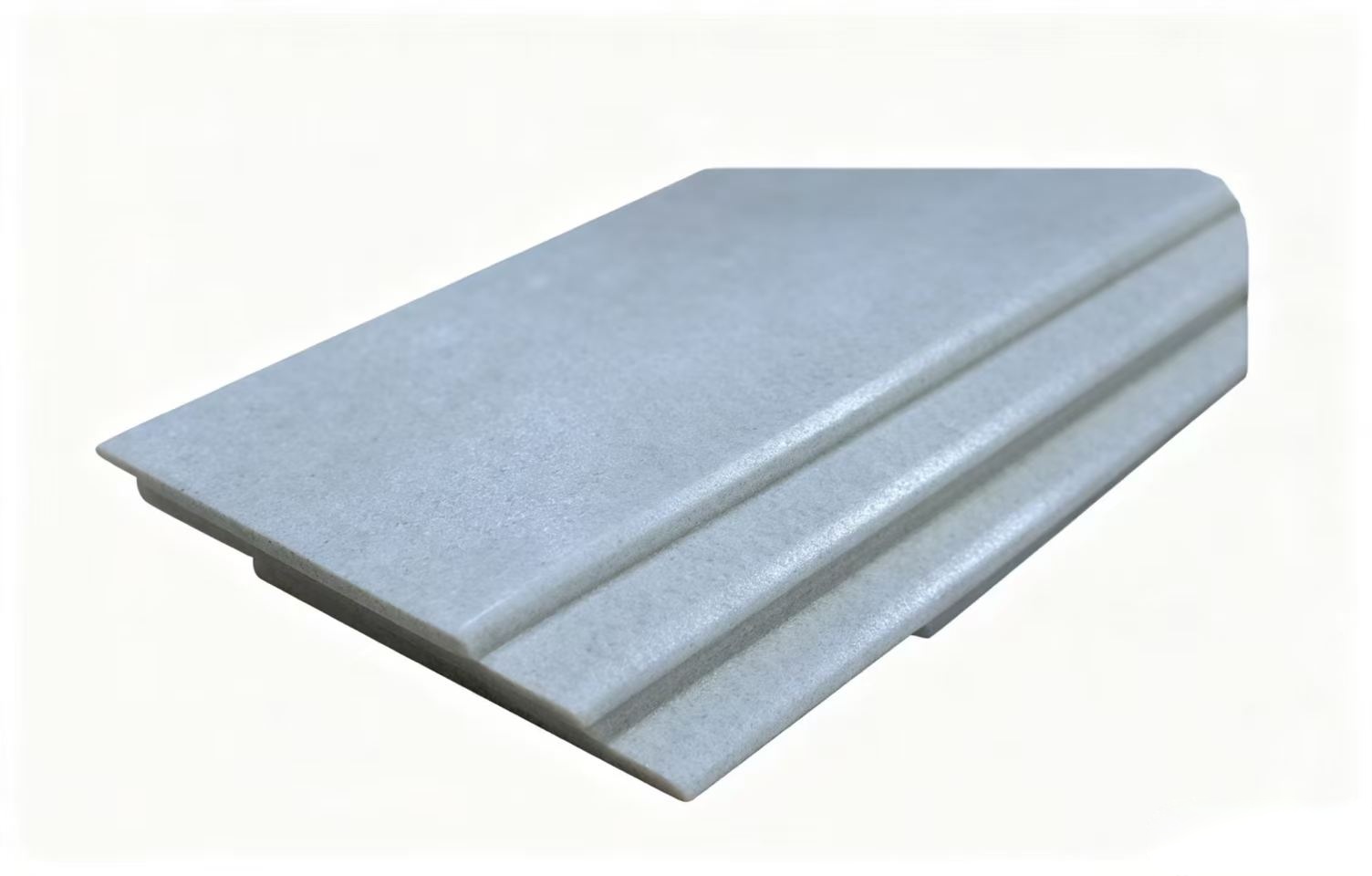
3. Insulation: Dupont Polyester Film
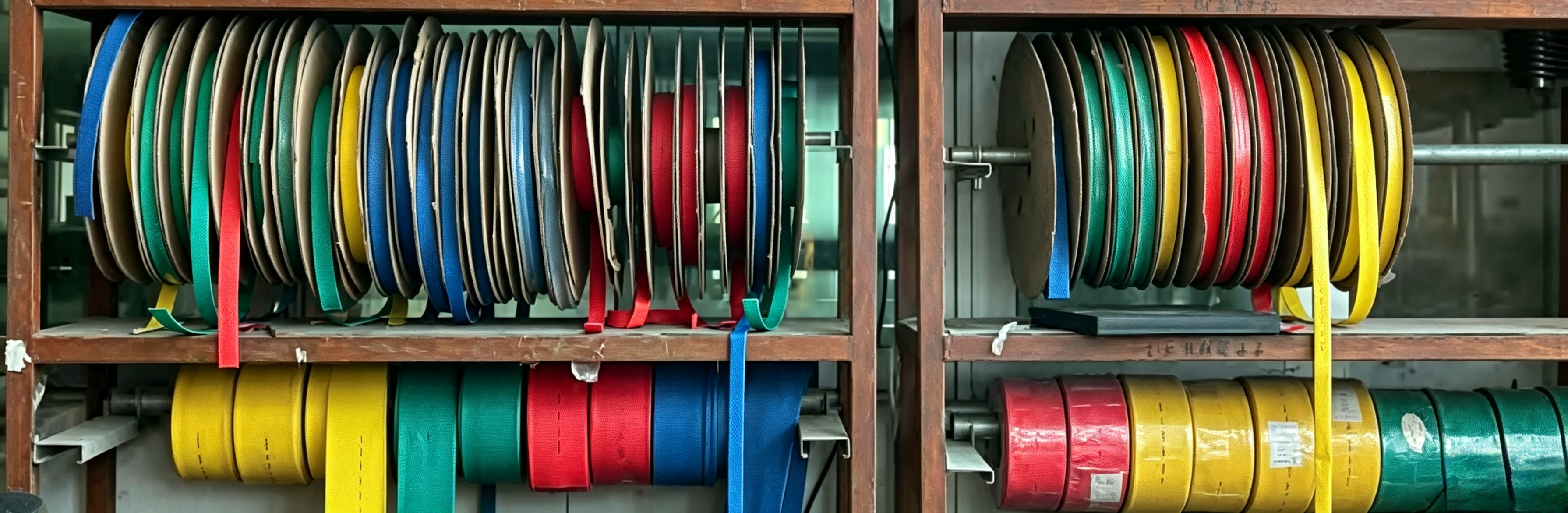
Class B (130°C) insulation with 30+ years aging resistance, smoke-free, halogen-free, non-toxic, and radiation-resistant.
Class B 130°C
Smoke-free
Halogen-free
Non-toxic
Aging-resistant
Radiation-resistant
Moisture-resistant
Flexible & tough
4. Installation Hardware (Full Zinc-Plated)
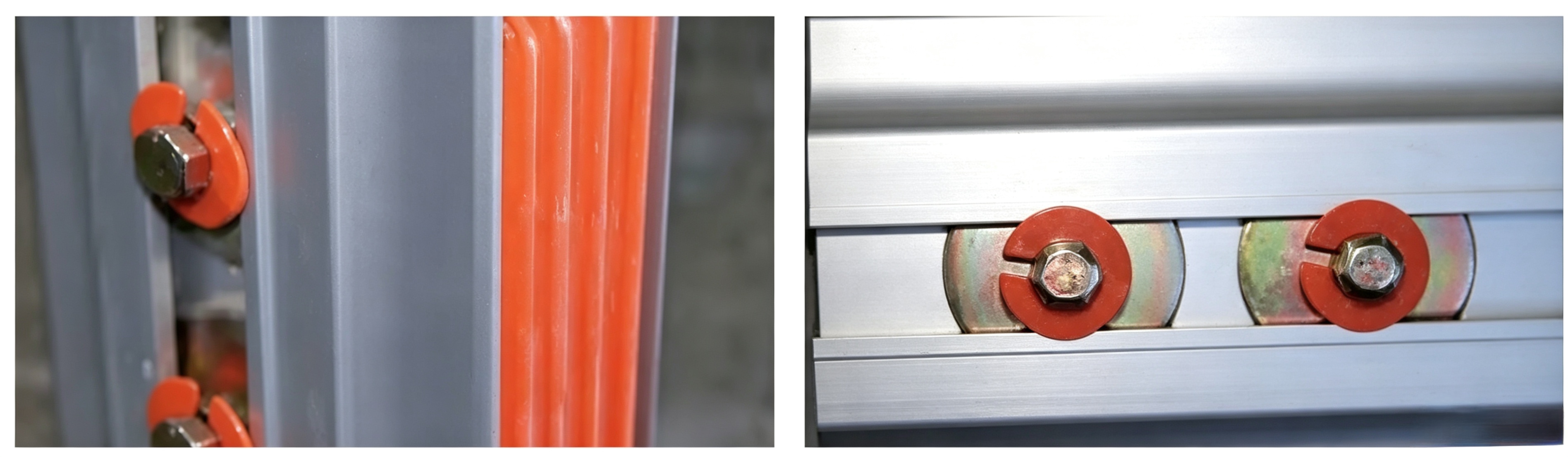
Complete set of zinc-plated hardware including end caps, wall sleeves, brackets, and hangers. Supports various installation methods with seismic resistance ≥ building standards.
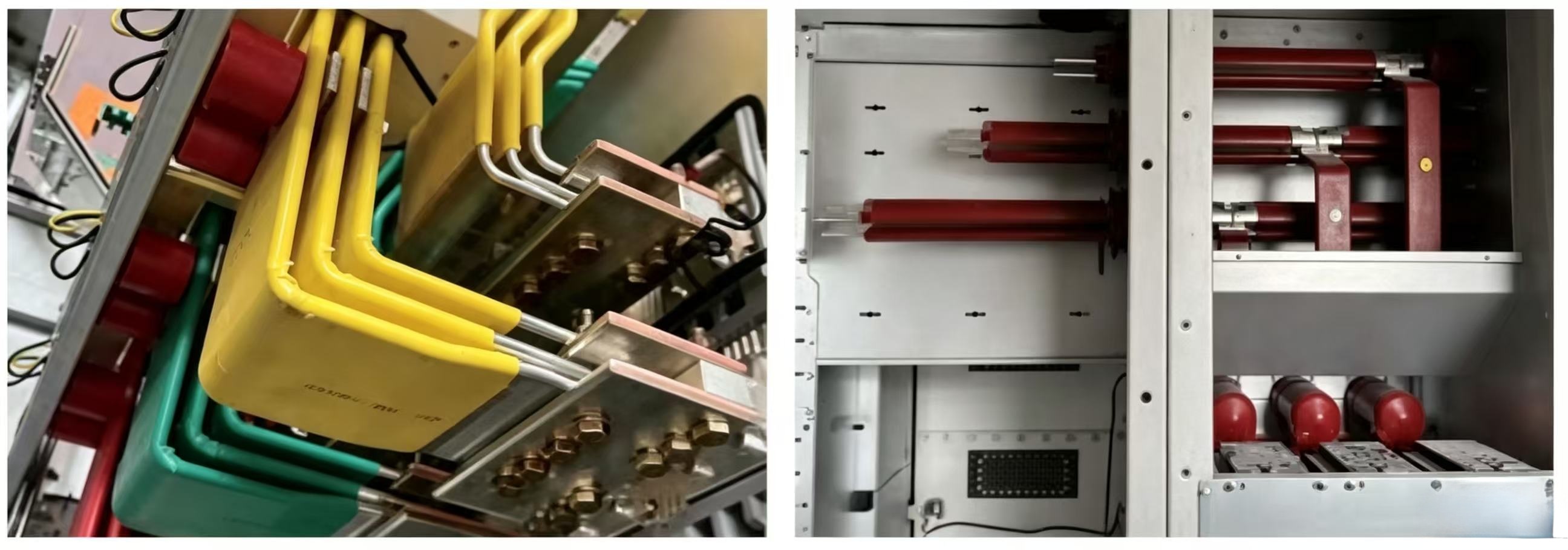
Structural Characteristics
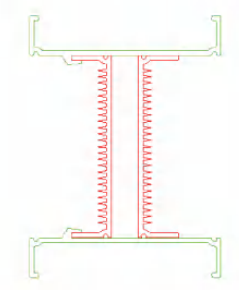
Preferred Snap-Fit Structure
Our dense busbar trunking uses an aluminum-magnesium alloy snap-fit housing, ensuring process control, easy on-site assembly, and high protection rating.
Stable production process control
Easy on-site assembly
Reliable protection rating
Custom molds ensure a minimum thickness of 3mm at the thinnest section, providing tight clamping of conductors.
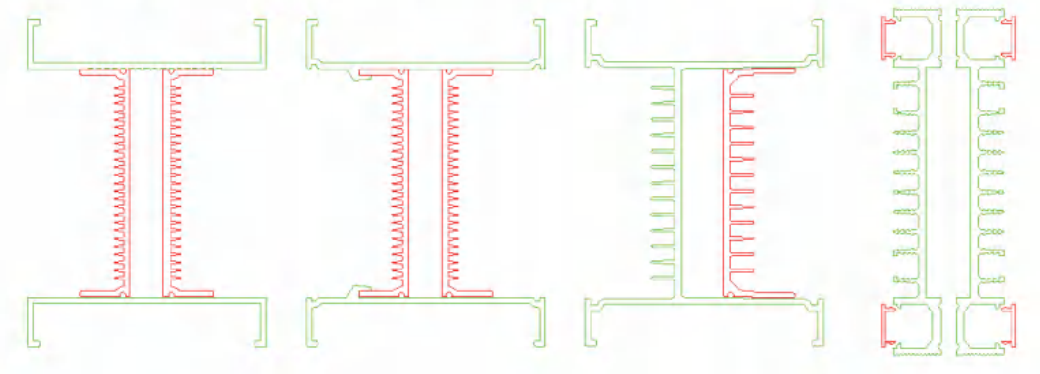
Comparison of Common Housing Structures
| Structure Type | Key Features |
|---|---|
| Four-Piece | Flexible assembly, but low efficiency and prone to phase offset |
| Snap-Fit | Eliminates phase offset, high efficiency, adaptable to multiple bar sizes |
| Three-in-One | Only for straight sections; requires mixed profiles for bends, causing appearance/protection issues |
| Two-Piece | Low material usage, but easily deformed and prone to welding failure |
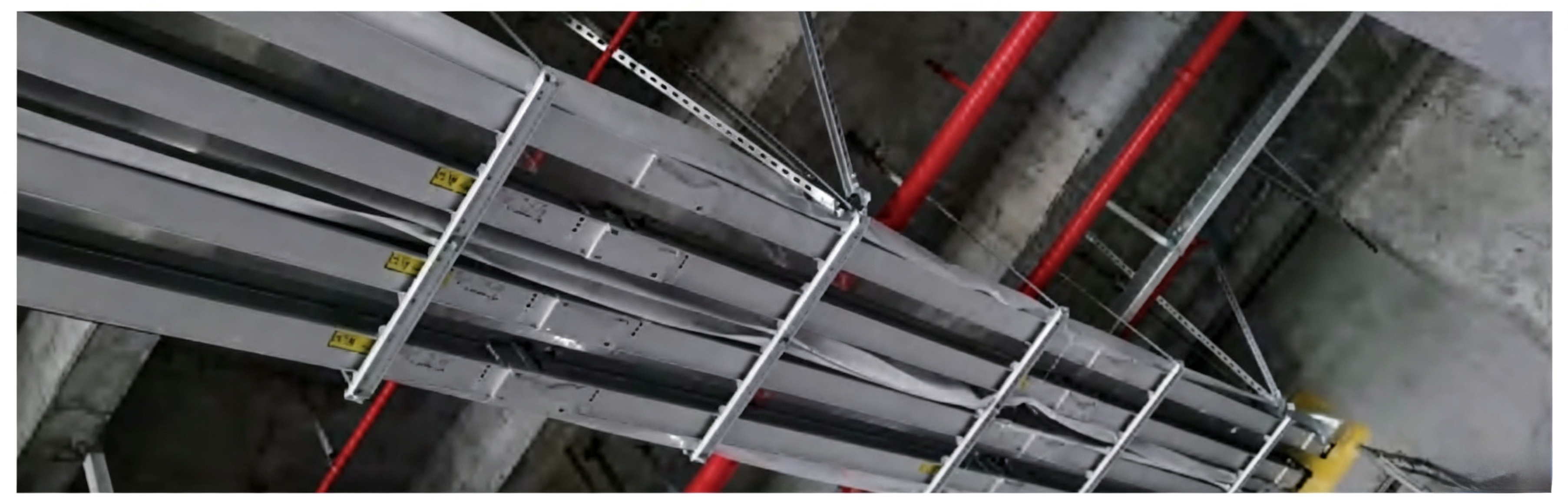
Production Process
01
Experienced Personnel & ManagementSkilled staff with complete quality control and production tracking systems.
02
Specialized Production EquipmentSelf-developed riveting lines, multi-angle cutters, automatic punching machines, and testing instruments.
03
Insulation ProcessDouble-layer individual wrapping for each conductor, ensuring reliable insulation.
04
Waterproof WeldingStrict welding process to enhance protection performance.
05
Tap-Off Unit ProcessStandardized manufacturing for multi-rated tap-off units, ensuring stable load capacity.
06
Connector DetailsPrecision machining of connectors to prevent poor contact.
07
Process Control & AccuracySealing strips on side panels, end caps, and connector covers to avoid reliance on on-site silicone.
Installation Services
01 Order Coordination
Rapid response and dedicated on-site survey team
Single-point responsibility for design, production, and installation
02 Site Survey & Design
Site path confirmation with customer representatives
Drawings comply with CECS standards
Customer signature required for final approval
03 Installation Team Training
Certified and experienced installers
Trained in busbar structure, installation, and testing
Full set of safety tools and PPE
04 On-Site Testing
Phase sequence check and insulation resistance test
System insulation ≥ 0.5MΩ, single unit ≥ 20MΩ
05 Final Acceptance Test
PE-A-B-C-N phase-to-ground continuity test
Cooperation with customer’s power-on acceptance inspection